
The Arizona Homeowner’s Guide to Natural Stone Care
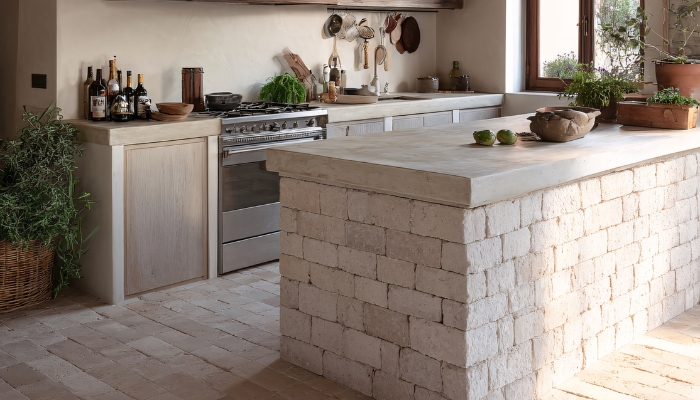
Natural stone is a natural fit for Arizona homes. Marble countertops, travertine floors, stone showers, and expansive outdoor patios can last for decades with the right care.
Arizona dust, hard water, pool areas, heat, and everyday spills can gradually leave stone dull, stained, etched, or scratched. The good news is that much of this damage can be prevented.
In This Guide
Use these quick links to find the stone-care advice most relevant to your home.
Three habits that protect natural stone.
Arizona dust, sand, and debris can act like abrasives on polished stone floors.
Vinegar, acidic products, and abrasive powders can damage marble and travertine.
Dullness, etching, scratches, and wear are not always cleaning problems.
Know What Type of Stone You Have
The first rule of stone care is knowing what you are cleaning. Marble, travertine, and granite may all be natural stone, but they do not behave exactly the same way.
Marble and travertine are especially sensitive to acidic substances. Something as common as lemon juice, vinegar, or certain bathroom cleaners can react with the surface and create a dull mark known as etching.
Granite generally reacts differently, but it can still develop staining, buildup, scratches, or problems with an existing finish. Before experimenting with a cleaner or stain-removal method, identify the stone and make sure the product is intended for that particular surface.
If you are not sure what type of stone you have, find out before trying to correct a problem. The wrong solution can create more damage than the original issue.
Be Careful With Hard-Water Buildup
Water can create some of the most persistent problems on stone surfaces. Showers, countertops, sinks, fountains, and outdoor areas can gradually develop visible mineral deposits where water repeatedly dries on the surface.
The instinct may be to reach for an aggressive calcium, lime, or hard-water remover. That can be a mistake. Many products formulated to dissolve mineral deposits contain ingredients that may damage acid-sensitive natural stone.
The safer approach is prevention. Wipe water from frequently wet stone when practical rather than repeatedly allowing it to evaporate.

Pay Extra Attention to Travertine Around Pools
Travertine is popular around Arizona pools and patios because of its natural appearance and ability to complement desert landscaping. Outdoor use also exposes it to considerably different conditions than stone inside the home.
Pool water, landscaping material, dirt, leaves, dust, food, and heavy foot traffic can all end up on the surface. Regularly removing loose debris is one of the simplest forms of preventative maintenance.
A stain, mineral deposit, and surface damage may look similar at first glance but require very different treatment.

Keep Dust and Grit Off Stone Floors
Arizona dust does more than make floors look dirty. Small particles of sand, dust, and grit can act like abrasives when they are repeatedly walked across a polished stone surface.
Use a clean, non-abrasive dust mop or other stone-safe method to remove loose debris before wet cleaning. Entrance mats can also reduce the amount of grit brought into the home on shoes.
If a walkway through the kitchen or entryway begins looking different from the stone around the edges of the room, the issue may be wear rather than something that can simply be washed away.
Do Not Assume Stronger Cleaner Means Cleaner Stone
One of the easiest ways to damage natural stone is using a product that was never intended for it. Vinegar is frequently promoted as a general-purpose household cleaner, but it should not be treated as a universal solution.
Acidic cleaners can etch calcite-based stones such as marble and travertine. Highly abrasive products can also affect the finish.
For routine maintenance, use products specifically identified as suitable for the type of natural stone in your home. Follow the manufacturer’s directions instead of increasing concentrations because a surface appears particularly dirty.
Clean Spills Quickly
Natural stone can be porous, which makes quick spill cleanup important. Oil, food, beverages, cosmetics, and other household products can become considerably more difficult to remove after they have had time to penetrate the stone.
Blot spills rather than aggressively rubbing them across a larger area. Then clean the surface using an appropriate stone-safe product.
Acidic spills deserve particular attention on marble and travertine. If a dull mark remains after the spill has been cleaned, it may be etching rather than a remaining stain.
Understand What Stone Sealer Does
A stone sealer is not an invisible layer of armour that makes stone impossible to damage. Depending on the material and product used, an appropriate sealer may help reduce the rate at which certain substances penetrate the stone and provide additional time to clean up spills.
It does not necessarily prevent scratches or etching. A sealed marble countertop can still develop an etched mark after contact with an acidic substance.
Know the Difference Between a Stain and an Etch
This distinction can save homeowners a lot of frustration. A stain involves material that has penetrated or discoloured the stone. An etch is physical alteration of the stone’s surface caused by a chemical reaction.
Something has entered the stone.
Stains are caused by material that has penetrated or discoloured the surface. The right solution depends on the cause and the type of stone.
The stone surface itself has changed.
Etching is a chemical reaction that leaves a dull or cloudy mark, especially on marble and travertine. Cleaning alone will not restore the finish.
Because etching changes the finish itself, trying to clean it away generally does not work. The area may need to be honed or polished to restore a consistent finish.
Watch for the Signs That Cleaning Is No Longer Enough
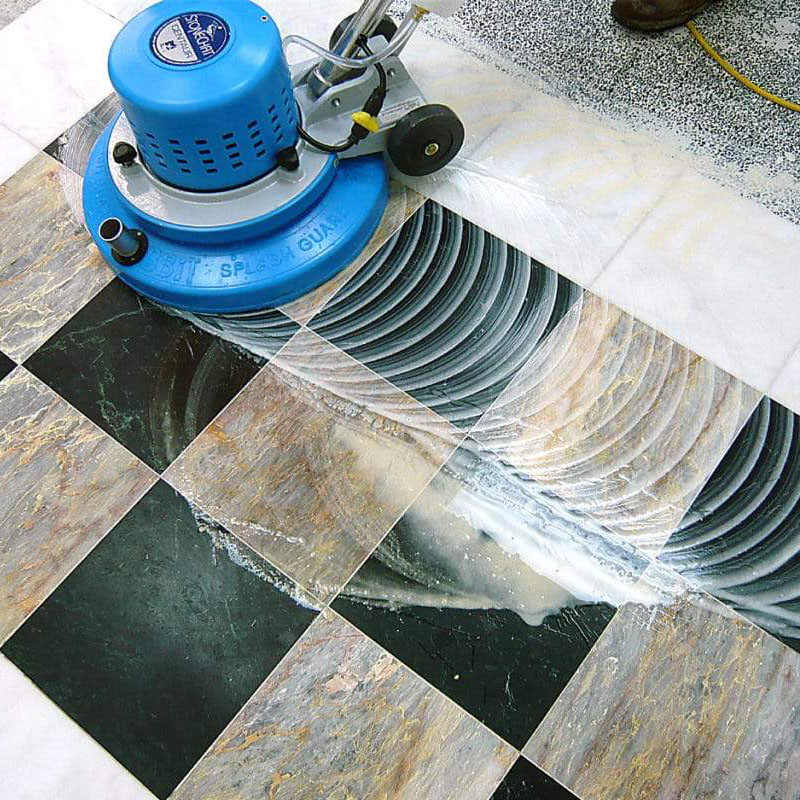
Routine maintenance can keep natural stone looking good for a long time, but every surface eventually experiences wear. Some problems indicate that professional restoration may be more appropriate than additional household cleaning.
- A large area of stone that has become noticeably dull
- Traffic patterns visible across polished flooring
- Etched or cloudy areas that remain after cleaning
- Scratches visible in reflected light
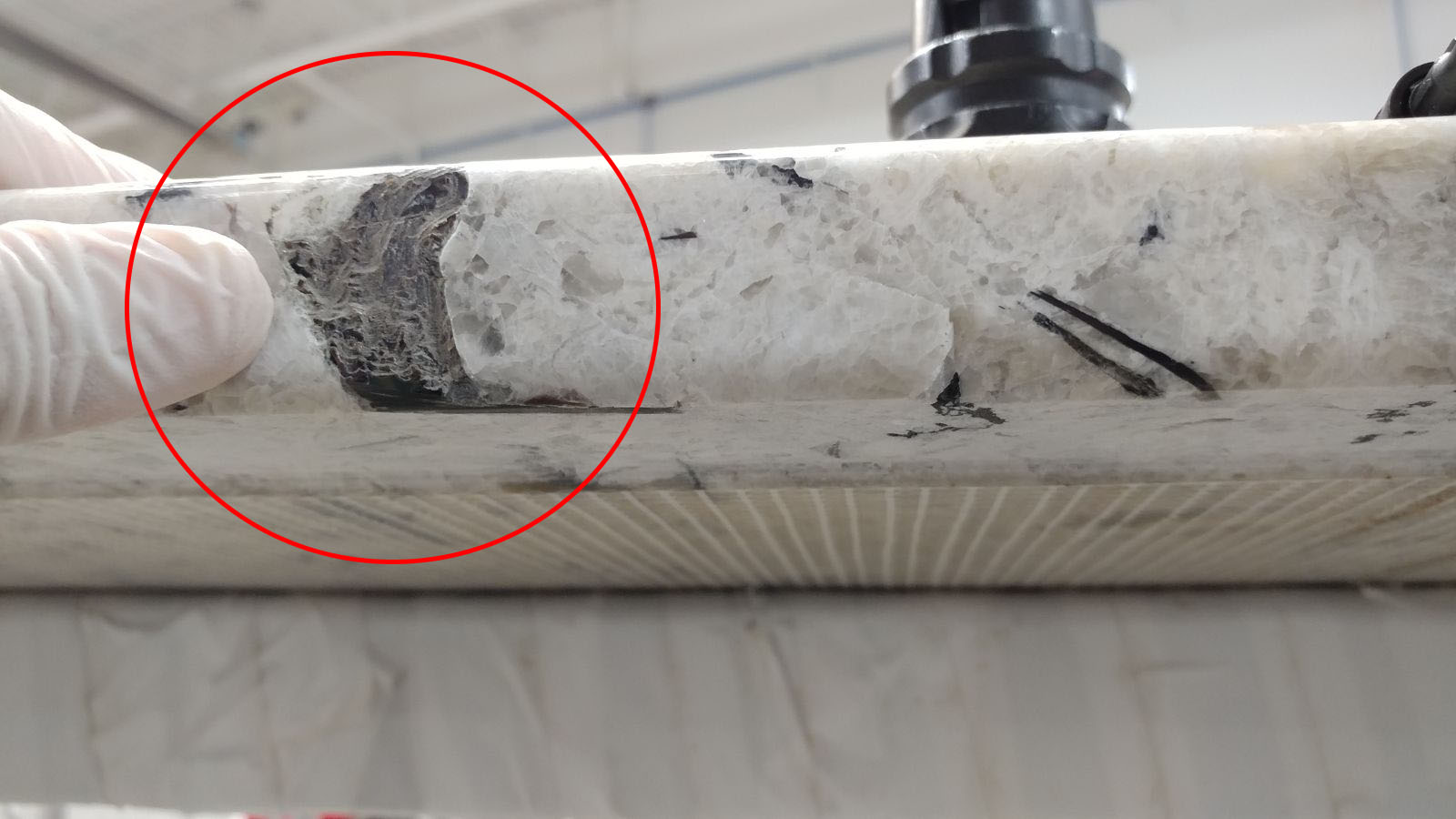
- Chips, cracks, or persistent staining
- Uneven shine after DIY polishing attempts
Repair Is Not the Same as Cleaning
Professional natural stone restoration may involve different processes depending on the condition of the surface. Honing can address certain types of surface damage and create a more uniform finish. Polishing can restore the desired level of reflection after the stone has been properly prepared.
Repairs may be required for cracks or chips, while sealing may be recommended afterward for certain materials and applications.
A Simple Arizona Stone-Care Routine
Natural stone care does not have to be complicated. For most homeowners, a few consistent habits can prevent a significant amount of unnecessary damage.
- Remove dust, sand, and grit regularly.
- Clean spills promptly.
- Use products specifically suitable for natural stone.
- Avoid vinegar and acidic cleaners on marble and travertine.
- Do not use abrasive pads or powders unless appropriate for the surface.
- Wipe frequently wet areas to help limit mineral buildup.
- Pay particular attention to high-traffic and outdoor stone.
- Have stone evaluated when cleaning no longer restores an even appearance.

Restore Rather Than Replace When Possible
Natural stone can look significantly worse after years of traffic, spills, and everyday use without necessarily needing to be replaced. Fine scratches, dull finishes, staining, and other surface problems can often be addressed through professional restoration.
Replacement means removing the existing material and installing something new. Restoration works with the stone already in the home and attempts to bring back the appearance and finish that have been lost through wear or damage.
All Stone Pro provides natural stone restoration in Arizona for marble, travertine, granite, and other surfaces, including polishing, honing, sealing, stain removal, and repair.
Arizona Stone-Care FAQs
Can I use vinegar on marble or travertine?
No. Vinegar and other acidic cleaners can etch calcite-based stone, leaving dull marks or changing the finish.
Does sealer prevent etching and scratches?
No. Sealer may slow the absorption of certain spills, but it does not make stone resistant to acidic etching, scratches, or wear.
Why does my stone still look dull after cleaning?
The issue may be etching, fine scratches, traffic wear, or an uneven finish rather than surface dirt.
When should I call a stone-restoration professional?
Call when cleaning no longer restores an even appearance, or when you see persistent dullness, visible scratches, chips, cracks, deep staining, or heavy wear.
Not sure whether your stone needs cleaning or restoration?
All Stone Pro helps Arizona homeowners evaluate marble, travertine, granite, and other natural stone surfaces before unnecessary replacement becomes the default.